
Indigenous leaders, human rights advocates, and legal experts are raising concerns after the Philippine government overhauled the guidelines for Free, Prior, and Informed Consent (FPIC). The National Commission on Indigenous Peoples (NCIP) approved new FPIC guidelines in May 2026, replacing those established in 2012.
FPIC guidelines require that Indigenous Peoples (IP) give their free, prior, and informed consent before any project impacting their ancestral lands moves forward, ensuring their rights and authority over land and resources are respected.
On August 5, 2026, leaders from 19 IP groups gathered in Quezon City to protest the new guidelines. They said the changes could make it easier for companies to take their ancestral lands. “This is not just about culture. It’s about our right to decide our future,” said Jeffrey Dinyan, a Taboli Manobo leader.
Indigenous communities say they were not properly consulted about the substance or timing of these revisions, heightening their concerns about the proposed changes.
The revised FPIC guidelines set strict deadlines for indigenous communities to reach consensus on projects affecting their lands. Assemblies must now convene within 10 days of notification, and communities must reach consensus within 30 days for large-scale projects, with even shorter timeframes for smaller ones. Unlike the 2012 guidelines and the Indigenous Peoples Rights Act (IPRA), which allowed more flexible timelines and honored traditional processes, the new rules are seen by critics as putting communities under pressure to make quicker decisions, with less consideration for customary practices.
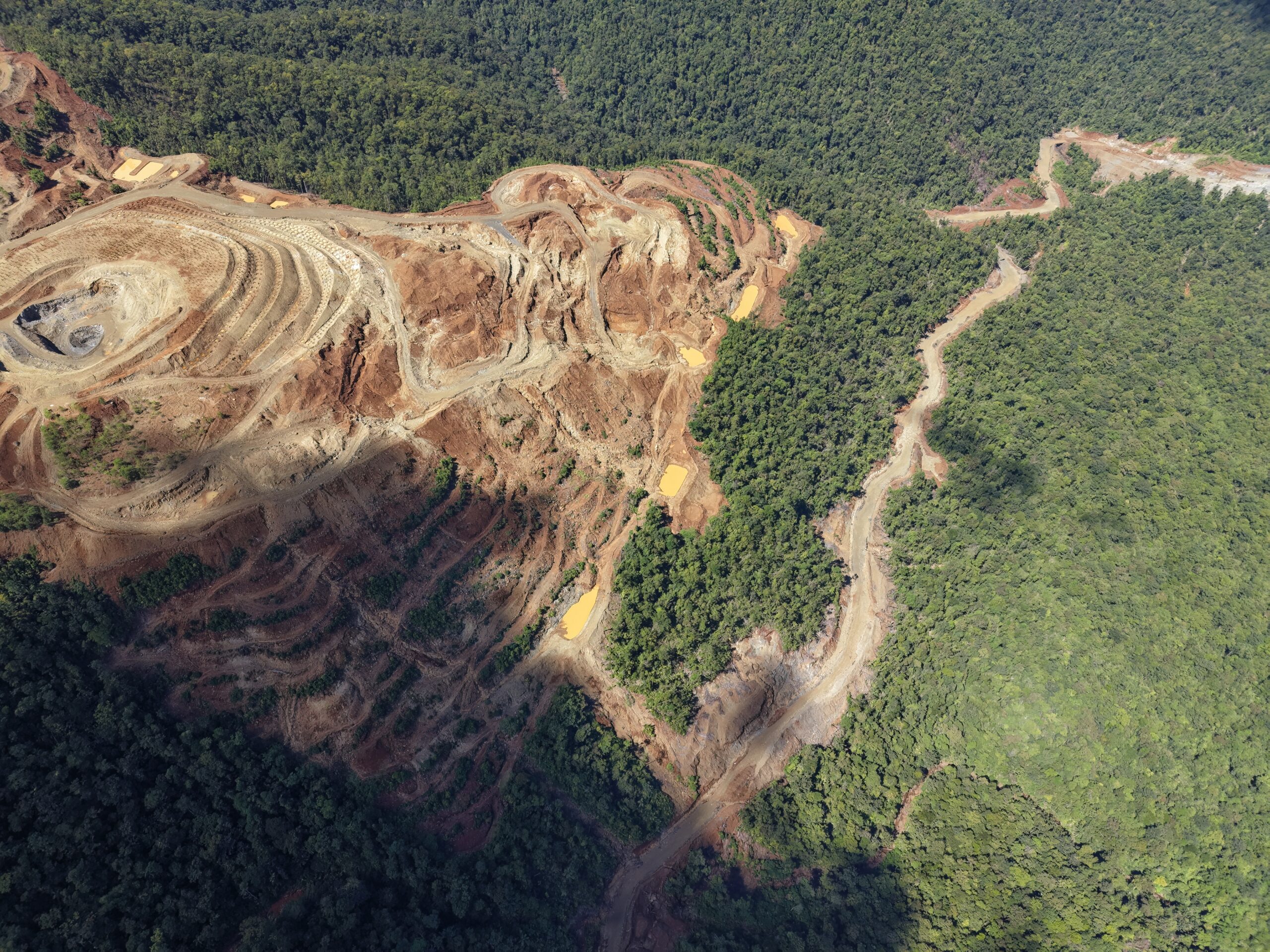
Legal experts and indigenous leaders note that the revised guidelines allow authorities to grant permits based only on property paperwork, skipping direct visits to communities even when ancestral territories are involved. The Legal Rights and Natural Resources Center cautions this may let mining or plantation companies claim private land, secure permits, and start operations before Indigenous groups can defend their interests.
The new guidelines eliminate ways for IP to challenge permits and provide no independent oversight. Monitoring and enforcement are handled by the same agencies that issue permits. Amnesty International (AI) Philippines criticized this, stating that oversight without independent enforcement is merely documentation.
AI Philippines emphasized that the affected communities should have been involved in creating the FPIC Guidelines. However, the consultation process was rushed and did not include meaningful, localized discussions with those whose ancestral lands are impacted.
AI Philippines also noted that disputes over FPIC put indigenous leaders, environmental activists, community organizers, women, and youth at greater risk. Reducing procedural safeguards makes them more susceptible to threats, retaliation, criminal charges, and violence.
According to Human Rights Watch (HRW), the new FPIC guidelines do not provide clear ways to settle disputes should violations occur.
The NCIP claimed it thoroughly consulted stakeholders, including IP, about the new guidelines. According to an NCIP statement, the newly approved rules resulted from over ten years of reviews and consultations with stakeholders, including various organizations and communities nationwide.
NCIP Chair Nancy Catamco also said changes in the FPIC guideline are designed to strengthen indigenous rights. She highlighted reforms such as increased transparency, stricter disclosure for project applicants, recognition of environmental and cultural risks, enhanced human rights monitoring, stronger conflict-of- interest rules, and ongoing FPIC compliance during project implementation.
However, many IP groups say they were left out of discussions. “The consultation process was railroaded and lacked direct, local discussion,” said Wilnor Papa of AI Philippines.
Threats to IP’s ancestral domains have intensified as development projects continue to encroach on the country’s remaining natural resource areas. The proposed Pax Silica hub in New Clark City threatens farmlands and ancestral lands of hundreds of the indigenous Aeta families.
According to a 2022 report, about 1.25 million hectares of ancestral lands face environmental threats.
HRW is calling on the NCIP to “go back to the drawing board and ensure the participation of IP communities in the revision process.”
Photo © Erwin Mascariñas/Global Witness