
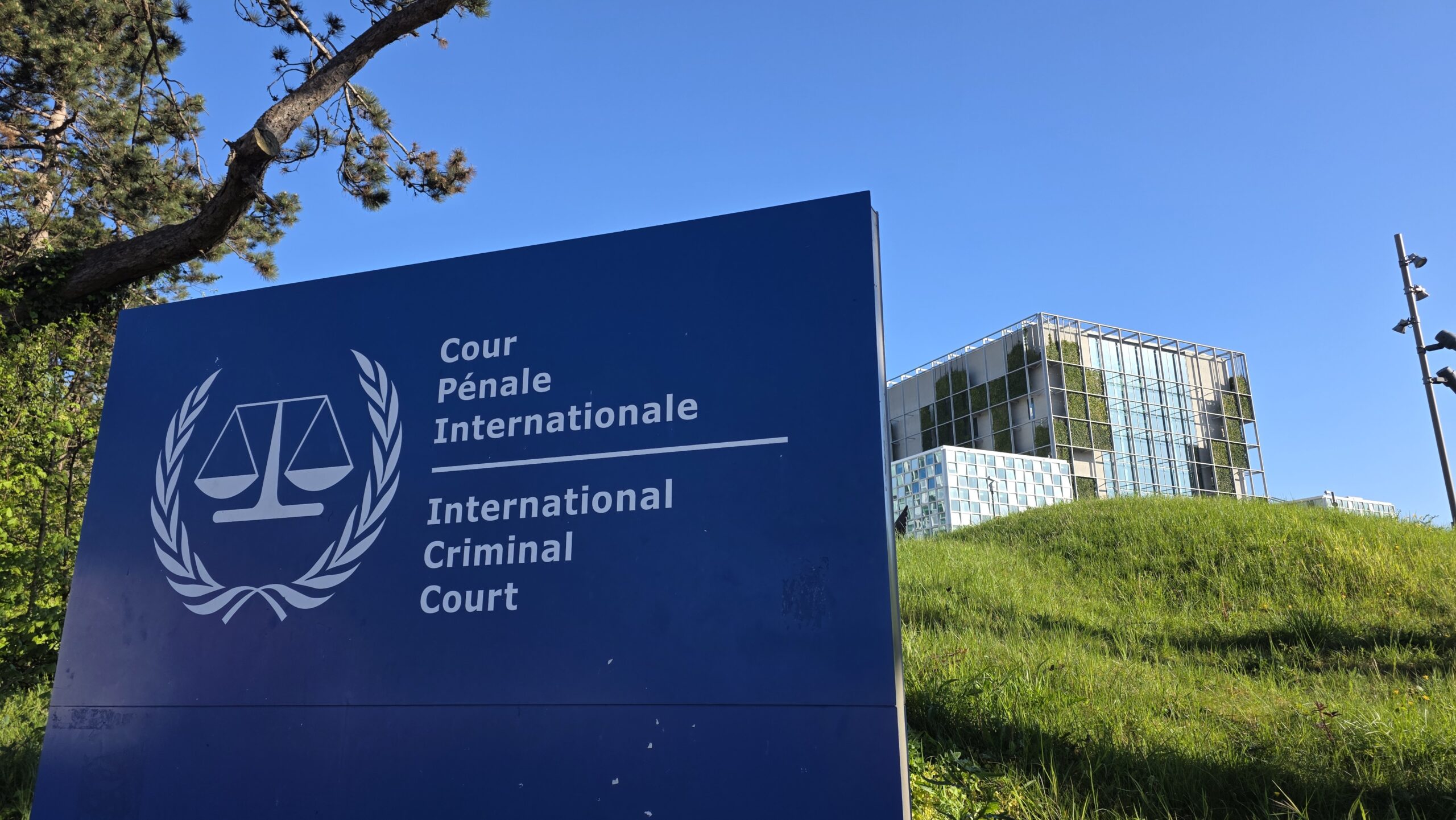
Former Philippine President Rodrigo Duterte’s defense team filed a motion before the International Criminal Court (ICC) Trial Chamber III to dismiss the charges against him and require the prosecution to file them again.
Duterte faces charges for crimes against humanity, including murder and attempted murder. The Document Containing the Charges (DCC) lists three main allegations based on 49 incidents, along with claims of hundreds more murders while Duterte was mayor of Davao City and ten-thousands more when he was President of the Philippines. The Prosecution clarified the scope of these charges on April 23, 2026, saying that the 49 incidents and 78 victims referenced in its DCC are intended as a non-exhaustive list.
According to the motion that was filed by Duterte’s lawyers on August 31, 2026, and signed by lead counsel Peter Haynes, the prosecution’s approach violates his right to be fully informed of the nature, cause and content of the charges against him as required by Article 67(1)(a) of the Rome Statute.
Duterte’s legal team contended that the DCC is inadequate and requested the court to dismiss it. It noted that the Prosecution had initially disclosed around 5,000 documents, but this number has since grown to more than 25,000, making it impossible to review the entire volume of material before the trial begins. It also stated that the most appropriate course of action would be for the Prosecution to “re-file a set of charges that properly informs the accused of the case he needs to meet.”
The defense’s latest move has sparked criticism from human rights advocates like Joel Vega of Panagutin Network Netherlands, a group advocating for justice and accountability in the Philippines. He dismissed the motion as a “clever move but not acceptable.”
Vega argued that the defense’s argument about the volume and scope of evidence is an attempt to mislead the court and weaken the prosecution’s case. The defense’s complaints about unprecedented evidence are matched by the unprecedented scale of the alleged killings during Duterte’s term, he said.
In an earlier filing before ICC Trial Chamber III, Haynes also argued that the prosecution’s proposed schedule was unrealistic given the volume of evidence and complexity of the case. “The defense requires sufficient time to conduct independent investigations, assess disclosure materials, and ensure the accused’s right to adequate preparation,” he said.
Duterte’s lawyers asked the ICC to delay the start of trial proceedings for up to 19 months after the April 23 confirmation of charges, saying they need more time to prepare their defense.
However, the Office of the Prosecutor (OTP) decided that an earlier trial date is necessary “in the interest of judicial efficiency and the rights of victims awaiting proceedings.”
Prosecutors said they expect to complete all pretrial steps by September 30.
Following the status conference on September 16, 2026, the ICC announced that Duterte will remain in detention as he awaits trial. Trial Chamber III, led by Judge Joanna Korner, cited an increased risk that Duterte will flee or interfere with witnesses, particularly after prosecutors disclosed evidence and witness identities.
The judges found no evidence from medical experts or the defense to justify changing Duterte’s detention status while his fitness to stand trial remains under review.
Duterte made a personal appearance at the ICC, his first public sighting since being arrested in Manila a year and a half ago.
The trial is scheduled for November 30, 2026.
Photo © E.L.Kotte