
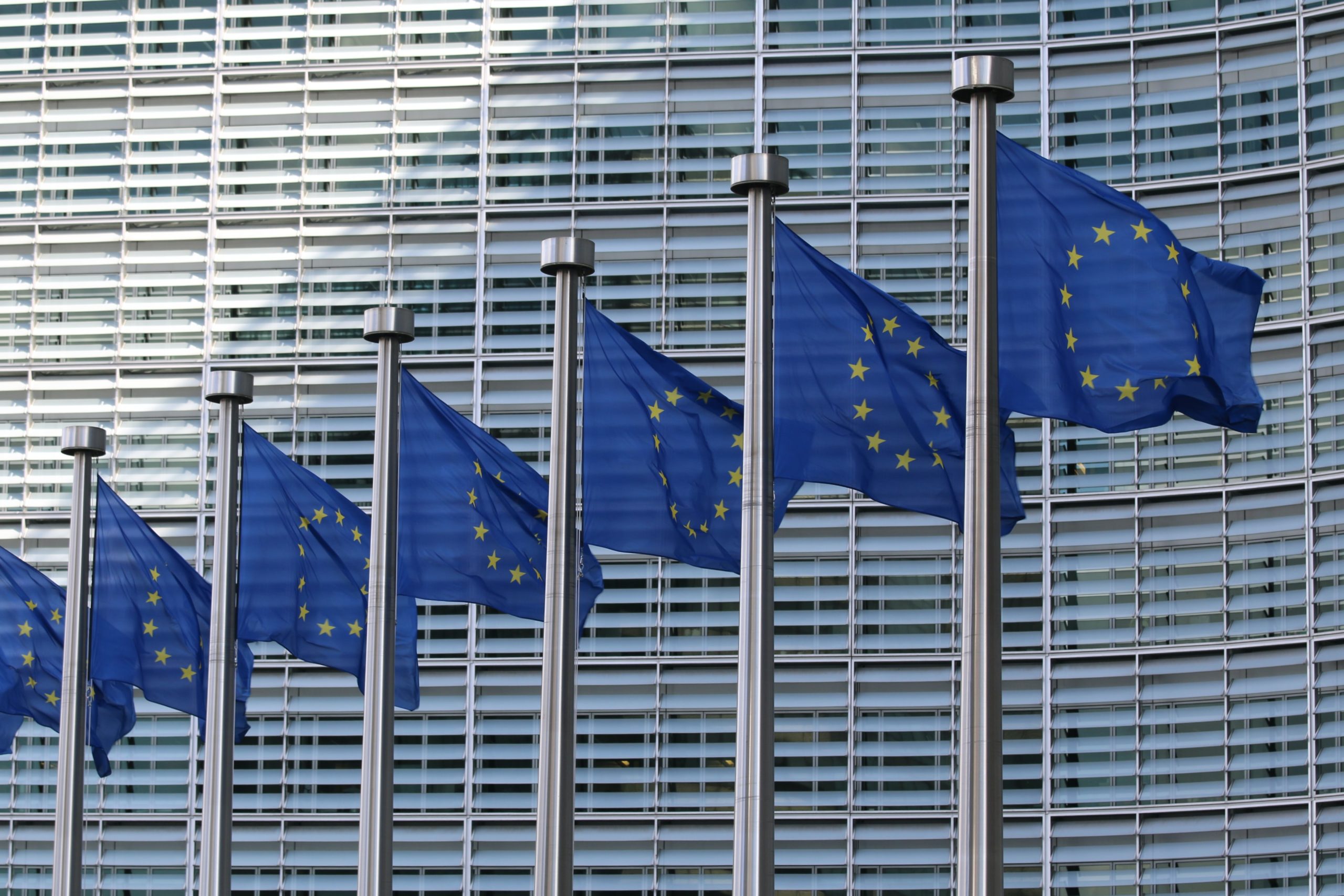
Lawmakers and human rights groups pressed for strong human rights and environmental safeguards as the European Union pushed forward with the conclusion of a free trade agreement with the Philippines during its seventh round of negotiations from June 29 to July 3, 2026.
German President Frank-Walter Steinmeier also urged the swift completion of the European Union-Philippines Free Trade Agreement (EU-PH-FTA) at a press conference in Manila on June 16, 2026, saying it would boost market access for Philippine exports and attract more European investment.
Prior to Steinmeier’s departure for Southeast Asia, critics noted that securing raw materials seems to be a key focus of the trade talks, but the FTA contains no effective safeguards against deforestation and environmental harm. They advised Steinmeier “not to act as a spokesperson for the German business community.”
The EU is especially interested in the Philippines’ deposits of critical raw materials, such as nickel, copper, and cobald, which are essential for green technologies.
In a letter, German Left Party lawmakers warned Steinmeier that German imports of raw materials from Indonesia and the Philippines have caused serious human rights and environmental violations.
Charlotte Neuhäuser, Gökay Akbulut, and Katrin Fey cautioned that Germany’s demand for raw materials must “not lead to a new form of green colonialism.” The energy transition away from fossil fuels – for which many of these raw materials are needed – must “not be carried out at the expense of the people of the Global South,” they added.
They urged Steinmeier to heed concerns from Indonesian and Filipino activists, unionists, and politicians about the environmental and social consequences of raw-resource extraction under such agreements.
The lawmakers called on Steinmeier to meet directly with affected local communities and urged him to support the protection of the environment, human rights, and democracy in discussions with leaders from Indonesia and the Philippines, as well as with German companies.
Steinmeier’s list of activities in the Philippines did not include such meetings.
21 European civil society organizations (CSO) cautioned that the FTA could fuel more human rights abuses, environmental damage, and land conflicts, especially harming Indigenous Peoples and marginalized groups. They emphasize that “communities are usually often not meaningfully consulted, and the Free, Prior, and Informed Consent (FPIC) is frequently violated.” The CSO are concerned that the FTA could increase EU investment in mining in the Philippines and thereby “worsen the situation of Indigenous Peoples and local communities.”
In a joint statement dated June 26, 2026, they urged negotiators to halt talks until real improvements are made on human rights, environmental, and labor protections in the Philippines. The groups said any deal should include enforceable rules to guarantee accountability and defend vulnerable communities.
The Philippine CSO Sentro and Trade Justice Pilipinas elaborated in a briefing paper the risks to human rights and democratic principles posed by the provisions proposed in the Digital Trade Chapter of the EU-PH-FTA. They say the agreement does not contain any labor standards for the digital economy. According to the labor groups, this is worrisome as they have observed a growing “dependence of platform workers on algorithmic systems they cannot see, understand, or challenge.”
In an open letter dated June 17, 2026 and addressed to EU officials, Human Rights Watch also warned about ongoing abuses in the Philippines, including attacks on activists, indigenous leaders, and trade unionists, as well as the misuse of anti-terror laws and threats to media and labor rights. The signatories outlined steps including enacting stronger rights protections, openly opposing so-called “red-tagging,”* investigating abuses, and guaranteeing genuine consultation with community groups.
Philippine human rights group Karapatan and former political prisoner Amanda Echanis, meeting with European Parliament members in Brussels, stressed that prior trade deals have failed disadvantaged communities, echoing calls for the EU to prioritize rights and protections in the FTA.
*The practice of “red-tagging” means labelling of individuals or organizations as supporters of the armed communist insurgency or as “terrorist.”
Photo © Guillaume Périgois on Unsplash