
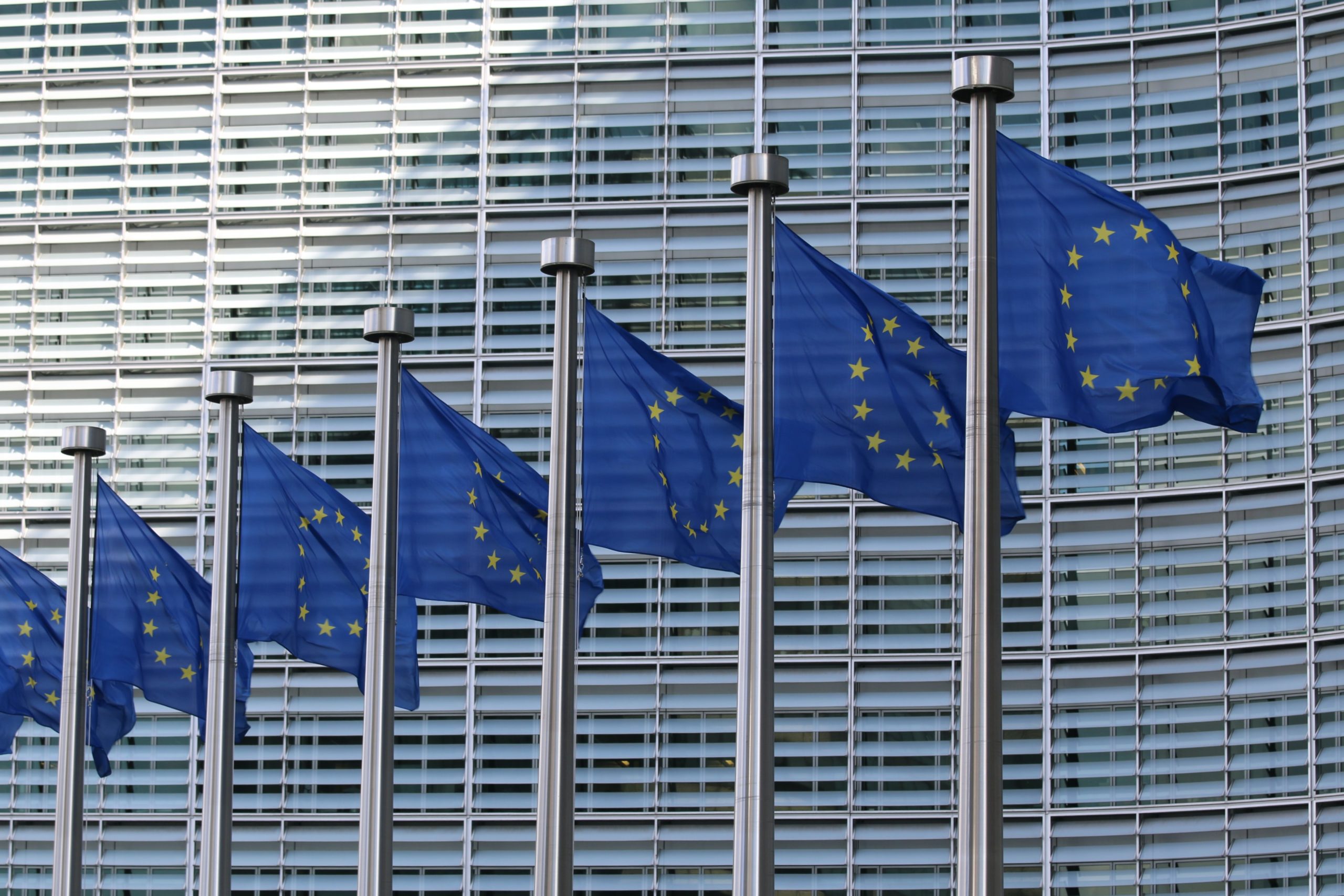
The Philippines and the European Union (EU) reached a “substantial agreement” on a landmark bilateral free trade agreement they plan to formally sign by next year.
Maroš Šefčovič, the European Commissioner for Trade and Economic Security, and Philippine Secretary of Trade and Industry Ma. Cristina Roque announced this in a joint press statement on September 22, 2026. They have instructed their negotiating teams to complete the agreement as soon as possible.
Both parties said the free trade agreement (FTA) would bring many benefits, including more business opportunities for micro, small, and medium-sized enterprises, as well as for farmers, manufacturers, and consumers in both countries. The agreement is also expected to strengthen and diversify supply chains and establish more predictable, fair-trade rules, showing both sides’ obligation to a stable global economy.
The FTA is expected to remove more than 94% of tariffs and affect over 97% of trade between the Philippines and the 27 EU member states. It will also help open markets and enable EU products and services to enter the Philippines.
Civil society criticism
Reports note that the deal will introduce measures to protect investment, intellectual property, and government procurement.
However, the recent announcement from Commissioner Šefčovič and Secretary Roque did not refer to any mechanisms to safeguard human rights or related commitments. Critics say the agreement lacks clear, timely, and legally binding requirements on human rights and environmental standards.
Civil society groups such as Trade Justice Pilipinas (TJP), a multi-sectoral civil society network in the Philippines, criticized the negotiations for lacking transparency and excluding public participation.
The group raised concerns about how well the agreement enforces worker and environmental protections: “What precisely has the government agreed to, and why should Filipinos trust a trade deal with undisclosed substantive provisions? Are rights such as those for workers, trade unions, decent work, and environmental protections in the much-discussed Trade and Sustainable Development chapter enforced as strictly as market-access commitments?”
Rights groups point out that existing tools such as the trade and sustainable development (TSD) chapter and the human rights clause have failed to stop abuses because of vague language and weak enforcement. While these rules call for upholding labor and environmental standards, they have little impact because they do not allow trade sanctions, making it harder to address genuine violations.
They caution that the deal might make working conditions tougher and lead to more conflicts over land in the mining industry. Increased demand from the EU could cause mining to expand rapidly, which could possibly harm local communities.
Human Rights Watch is calling on the EU to clearly communicate to Philippine officials that a successful FTA outcome depends on concrete legislative and policy reforms. Meanwhile, organizations like TJP oppose the FTA entirely, arguing that the negotiations have not been conducted on equal terms.
Photo © Guillaume Périgois on Unsplash