
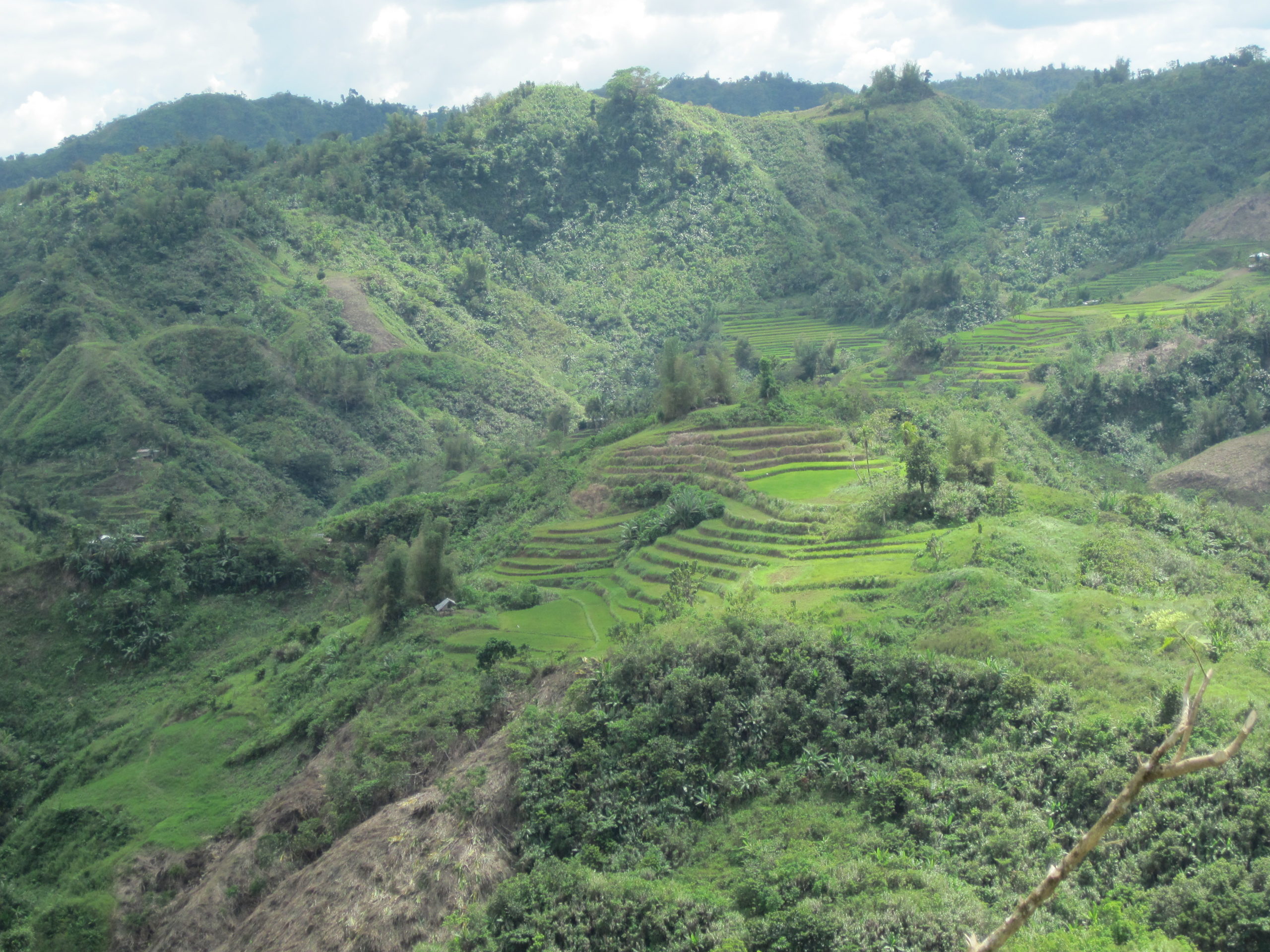
Calls for stronger protection of indigenous and community land rights have emerged after nearly 300 residents of Sitio Mariahangin in Bugsuk, Palawan, were sued by nine alleged landowners claiming ownership of their ancestral lands. The residents, mostly Molbog Indigenous people, received court summons and a 30-day notice to vacate their homes, sparking renewed concern over long-standing land disputes and the government’s mining agenda.
The legal action is part of a decades-long struggle by the community to secure recognition of their ancestral domain. Their application for a Certificate of Ancestral Domain Title (CADT) has been pending since 2005, while the Department of Agrarian Reform (DAR) revoked their Notice of Coverage (NOC) in 2023. Residents and advocacy groups condemned the summons as harassment, emphasizing that Mariahangin is not only their home but also the burial ground of their ancestors, and a place where generations have farmed and fished.
Over the past two years, community leaders of Mariahangin have faced repeated legal harassment, including arrests on charges of “grave coercion” and cyber libel. To prevent forced entry, residents have maintained barricades around the island for nearly 400 days.
The case has drawn attention in the Senate, with lawmakers urging on December 10, 2025, immediate intervention by national agencies to protect residents and prevent escalation. Senators Robin Padilla and Risa Hontiveros highlighted how delays in resolving ancestral land claims, coupled with overlapping laws on agrarian reform and indigenous rights, exacerbate displacement and conflict.
Senator Juan Miguel Zubiri noted that the situation reflects broader disputes nationwide in locations where the 1988 national Agrarian Reform Law and the national 1997 Indigenous Peoples Rights Act (IPRA) have overlapping claims.
Meanwhile, calls to revamp mining regulations in the Philippines are growing as lawmakers, environmental advocates, and Indigenous Peoples rally behind the Alternative Minerals Management Bill (AMMB), a proposal intended to replace the 1995 Mining Act.
Proponents, including lawmakers, local officials, and environmental groups, argue the bill would protect indigenous territories, biodiversity areas, and sensitive ecosystems, while regulating the mining industry to align with climate and social justice goals.
The AMMB also aims to promote a locally rooted mining sector and ensure that indigenous and local communities benefit from mineral resources.
Despite these calls, critics note that the Marcos Jr. administration is prioritizing the expansion of large-scale and “transition” mining projects, offering fiscal incentives to investors and seeking international financing. The Asian Development Bank (ADB) recently launched a program supporting critical minerals for renewable energy technologies – a move welcomed by the government but criticized by indigenous and environmental groups.
Read a previous AMP article on the case here.
Photo © AMP