
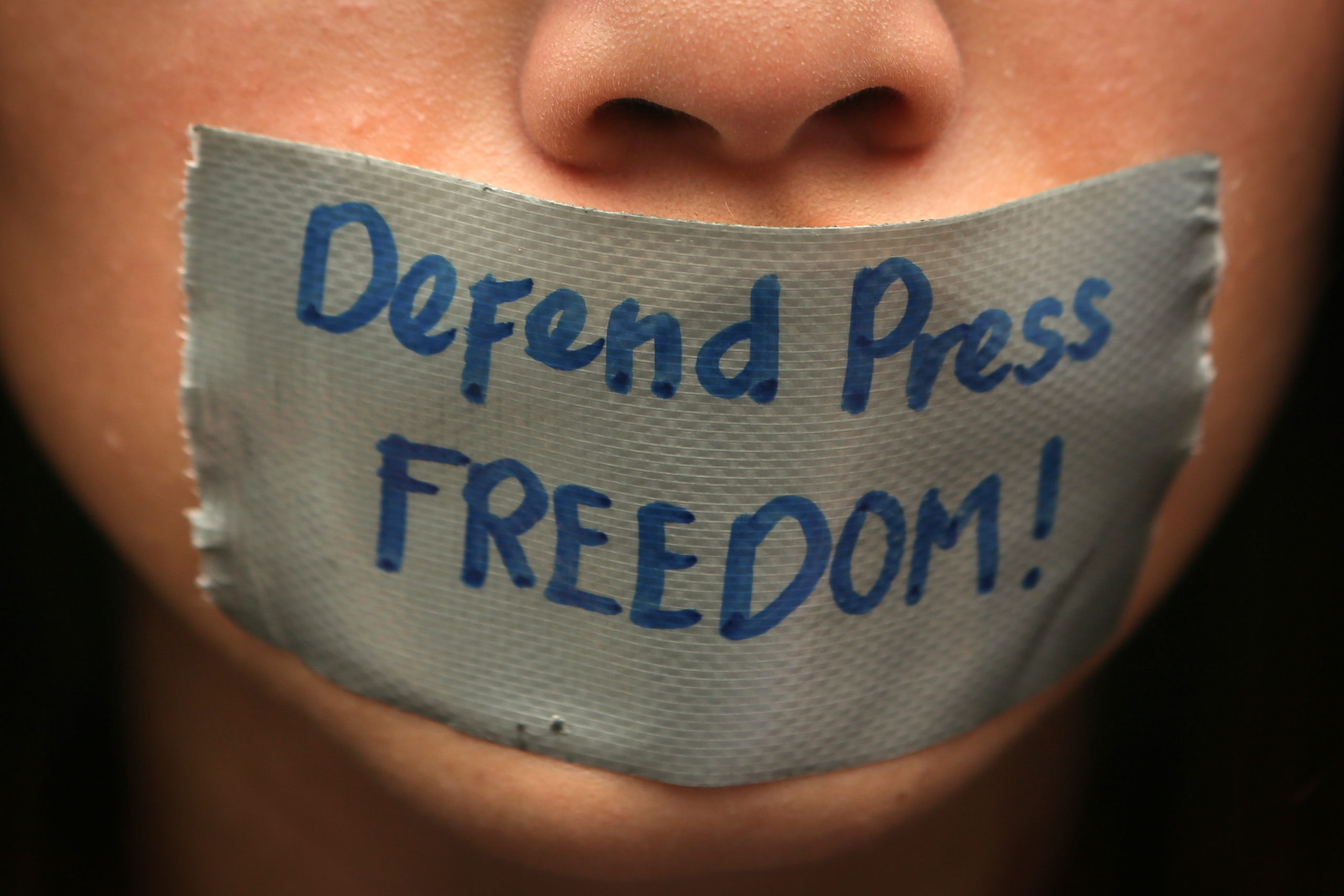
A regional trial court in Tacloban City has affirmed the terrorism financing conviction of community journalist Frenchie Mae Cumpio and church worker Marielle Domequil, denying their motions for reconsideration and rejecting their bid for bail.
On March 25, 2026, Judge Georgina Uy Perez of Tacloban City Regional Trial Court Branch 45 dismissed both motions for lack of merit. As a result, the two women will be transferred from Tacloban City Jail to the Correctional Institution for Women in Mandaluyong City, far from their families in Eastern Visayas.
Cumpio was arrested in February 2020 at age 21. Prior to her arrest, she worked as the executive director of Eastern Vista, an alternative online news outlet, and as a radio anchor reporting on alleged abuses by police and military forces in Eastern Visayas. She was convicted on January 22, 2026, making her the first journalist in Philippine history to be convicted of terrorism financing. Her sentence carries a prison term of 12 to 18 years.
The charges stem from allegations that Cumpio and Domequil travelled to Catbalogan, Samar, in March 2019, and allegedly handed cash and supplies to members of the rebel group New People’s Army (NPA); the NPA was officially designated as a terrorist organization in the Philippines in 2017. Both women have denied the accusations. Their legal team raised concerns about the credibility of prosecution witnesses – alleged former rebels – and pointed toward inconsistencies in their testimonies.
The National Union of Journalists of the Philippines (NUJP) warned that affirming the conviction sets a dangerous example for journalists, humanitarian workers, and activists. Five UN special rapporteurs had called the conviction “troubling” and urged the court to grant Cumpio bail pending appeal. The court denied this request.
Defense lawyers say they will bring the case before the Court of Appeals. Lawyer Julianne Agpalo of the National Union of People’s Lawyers warned the ruling would have an intimidating effect on critical journalists, NGOs, and lay workers.
Photo © Raffy Lerma