
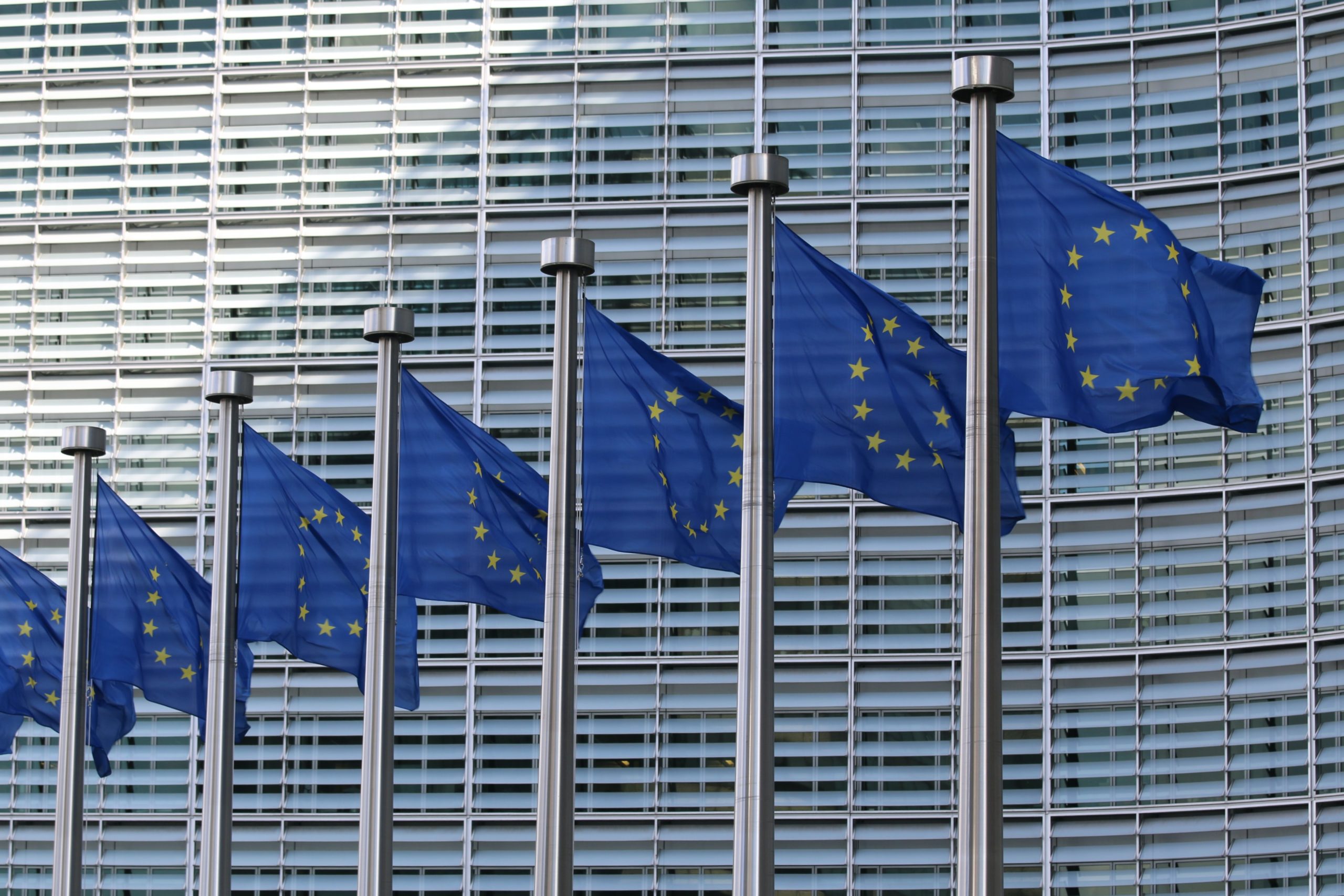
The European Union (EU) is stepping up efforts to finalize a free trade agreement (FTA) with the Philippines by the end of 2027, coinciding with the expiration of the country’s preferential trade access under the Generalized Scheme of Preferences Plus (GSP+).
Under the GSP+ scheme, the country enjoys zero-tariff access to the EU for 6,274 export products, in return for adhering to international commitments on human rights, labor standards, environmental and climate protections, and good governance practices.
The Philippines plans to sign at least three free-trade agreements (FTAs) next year with the EU, Chile, and the United Arab Emirates (UAE). The EU FTA is anticipated to be finalized next year, ahead of the 2027 target, ensuring continuity after the current GSP+ tariff exemptions expire.
EU Ambassador to the Philippines Massimo Santoro expressed confidence that the FTA could be in effect before the GSP+ lapses in December 2027.
Bilateral trade between the Philippines and the EU totaled $15.5 billion last year, with Philippine exports at $8.1 billion.
Negotiations have already completed three rounds, with a fourth scheduled in Cebu. Key discussion areas include customs and trade facilitation, technical barriers, government procurement, digital trade, and sustainable development.
In the latest discussions held in Belgium last June 2025, the negotiations covered government procurement, digital trade, energy and raw materials, and trade and sustainable development.
Santoro noted that EU investors are closely monitoring local reforms including ongoing corruption investigations, and confidence remains strong.
President Ferdinand Marcos Jr. recently said that his administration is committed to advancing responsible mining, stressing that the sector’s earnings must genuinely benefit Filipin@s. He added that harmful or careless mining activities will not be tolerated as the government prioritizes sustainability, employment generation, investments, and the development of a more inclusive and climate-resilient mining industry.
However, the situation on the ground tells a more troubling story. In Caraga, home to 23 active nickel mines, communities face declining fish stocks, sediment-laden waters, severe flooding, and rising respiratory illnesses, while promised economic benefits largely fail to materialize. Nickel exports, primarily to China and Indonesia disrupt ecosystems and livelihoods. Palawan, the Philippines’ so-called “last ecological frontier,” faces escalating environmental destruction and political manipulation, with mining operations encroaching on protected areas and Indigenous lands, often accompanied by intimidation and vote-buying.
Reports from Global Witness and Kalikasan PNE highlight that the push for “transition minerals” such as nickel and copper—critical for renewable technologies—is causing widespread biodiversity loss and human rights abuses. Indigenous communities, particularly in Mindanao and Palawan, face displacement, militarization, and violence, while environmental protections are often undermined in favor of economic and geopolitical interests.
Critics warn that the EU-Philippines FTA heavily serves EU economic interests at the expense of Filipino workers and communities, pointing to potential environmental and human rights risks such as intensified extraction of critical minerals, industrial expansion causing land conversion, and threats to indigenous peoples’ land rights. They question whether the Philippine government has a clear strategy to safeguard the country’s national and social interests.
Photo © Guillaume Périgois on Unsplash